Session 1
Stanford AO Summit
By Stanford AO at OpenLab.
A workshop for researchers and builders shaping the field of autonomous organizations (AOs). Examples of AOs range from agent swarms to vending machines to AI villages to DAOs. But we are just starting to develop the theory, benchmarks, and playbooks for this new class of organizations. What management structures and business models actually work? How do you measure performance? When does autonomy help, and when does it hurt?
For travel planning: the AO Summit sits immediately after the Science of Blockchain Conference and SBC DAO Workshop at Stanford (July 27–30), and immediately before the Agentic AI Summit at UC Berkeley (August 1–2).
RSVP & event details on Luma →
Watch the recordings
Full playlist on YouTube →
Session 2
Axel Wennström — Lessons from Launching Some of the First AI-Run Businesses
Session 3
AOs in the Wild — with Apolinário Passos, Helena Rong & Adam Binksmith
Session 4
Dotta — The Self-Improving Organization: Defining Good Enough
Session 5
Session 6
Measuring Autonomy — with Rakshit Trivedi, Hao Zhu, Sam Pasupalak & Yankai Wang
Session 7
Openness, Institutions & Society — with Allison Duettmann, Sandy Pentland & Joseph Low
Session 8
Session 9
Plenary Discussion — Where does the field of Autonomous Organizations go next?
Confirmed speakers
We're announcing speakers week by week as the program comes together.
May 23

Dotta
CEO, Paperclip
Creator of Paperclip, the most popular AO framework on GitHub. Paperclip turns fleets of AI agents into structured organizations — org charts, goal hierarchies, heartbeat schedules, budgets, and board-level governance — so autonomous AI companies can actually coordinate.
May 30
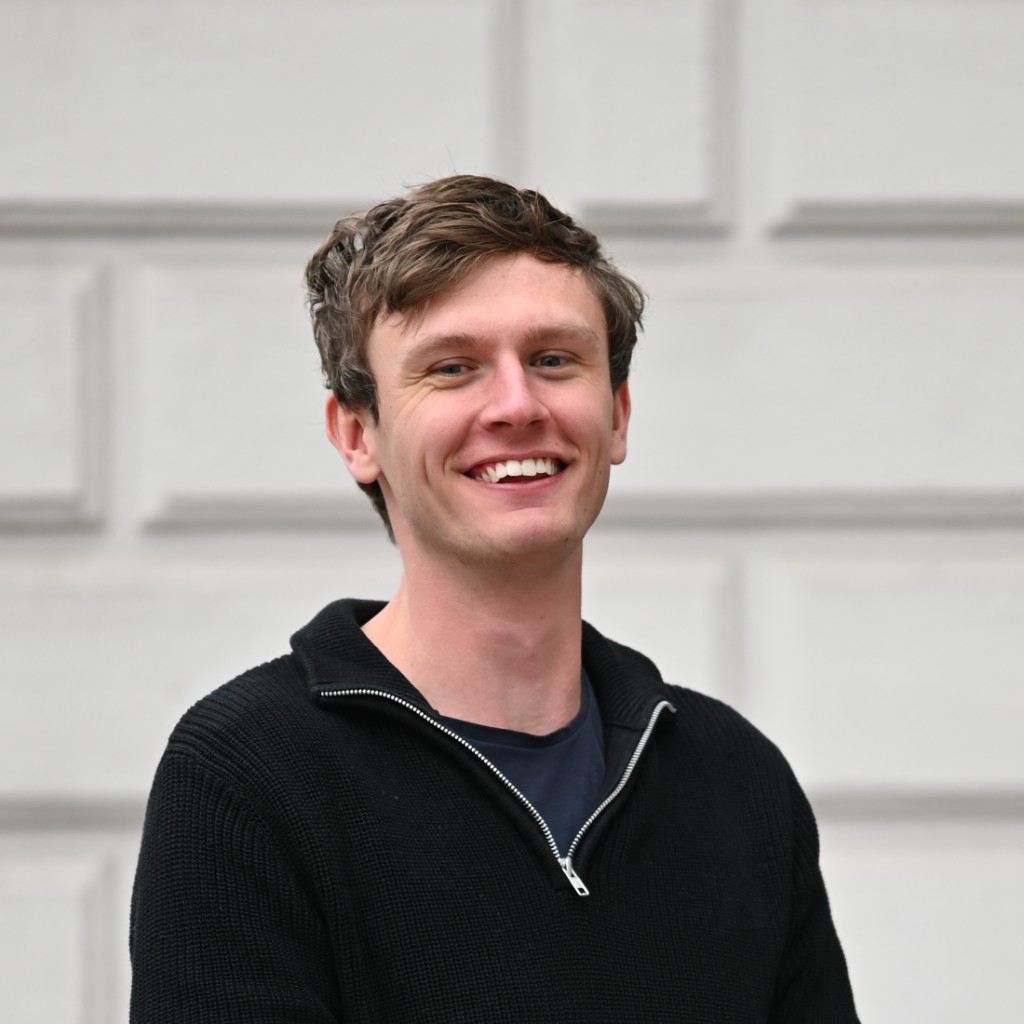
Axel Wennström
Member of Technical Staff, Andon Labs
First employee at Andon Labs, the YC-backed lab building the Safe Autonomous Organization by benchmarking and deploying frontier AI in the real world — from Vending-Bench to AI-run vending machines, radio stations, and retail. Axel built the monitoring systems behind Andon's safety reports on agent behavior in production.
June 6
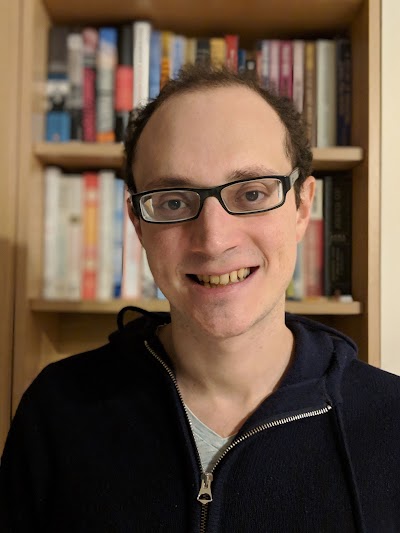
Joel Z Leibo
Senior Staff Research Scientist, Google DeepMind
Research scientist at Google DeepMind studying multi-agent intelligence, cooperation, and the organizational structures that emerge when capable agents interact. Creator of Melting Pot and the Autocurricula manifesto, and lead of Concordia — an open-source platform for generative social simulation where language-model agents interact in open-ended worlds.
June 12
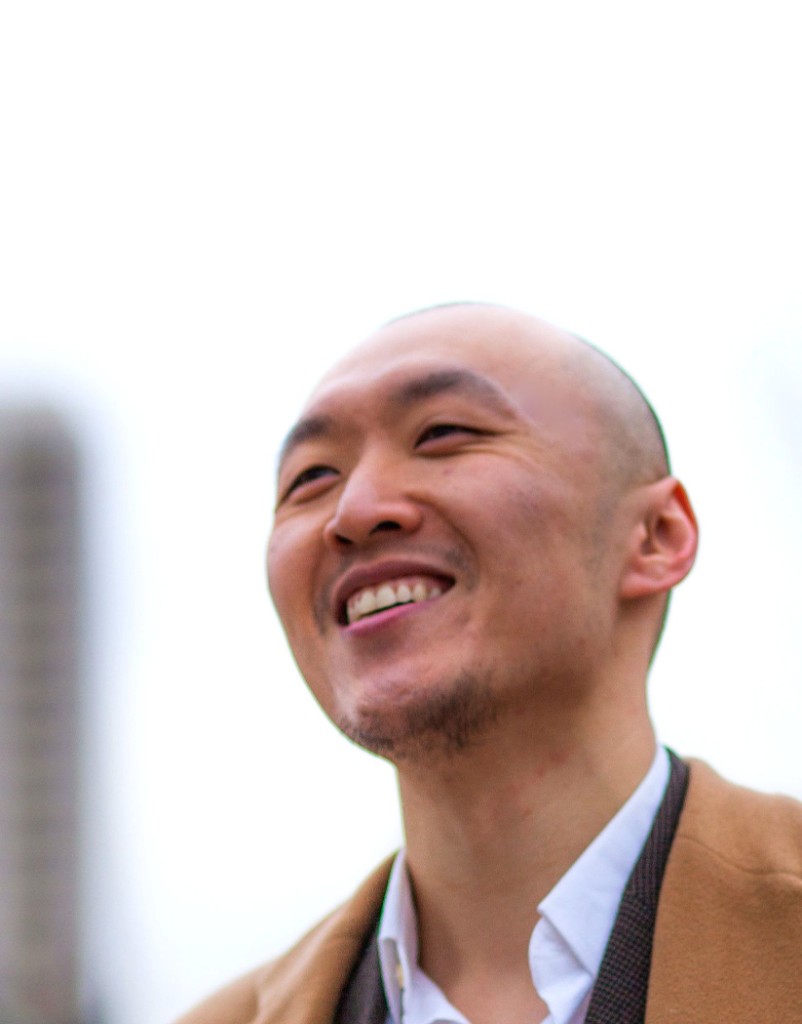
Joshua Tan
CTO at Current AI and Associate at Stanford OpenLab
Applies math and science to the design of organizations and institutions at the intersection of artificial and collective intelligence. CTO at Current AI, leads product at Public AI and innovation at Stanford OpenLab, and is a co-founder and research director at Metagov. His research spans DAO governance, subsymbolic organizations, and public AI infrastructure.
June 13

Allison Duettmann
President & CEO, Foresight Institute
President and CEO of the Foresight Institute, the San Francisco nonprofit advancing frontier technology since 1986. She directs the institute's AI, longevity, neurotechnology, and molecular nanotechnology grants, fellowships, and prizes; co-authored Gaming the Future; and co-edited Superintelligence: Coordination & Strategy.
June 16
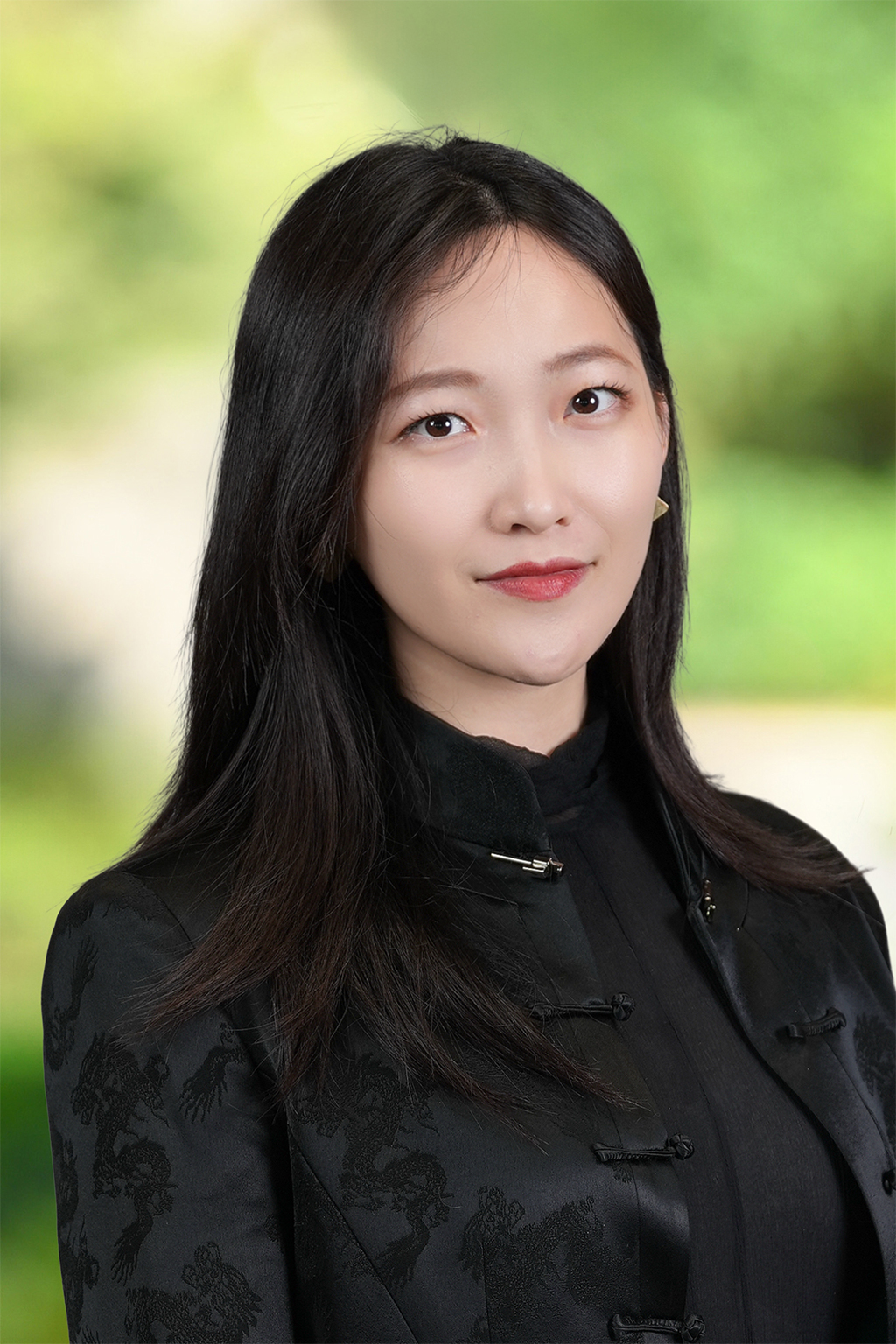
Helena Rong
Assistant Professor, NYU Shanghai · Director, Protopolis Lab
Assistant Professor of Interactive Media and Business at NYU Shanghai and Director of the Protopolis Lab. Her research examines how blockchain networks, decentralized AI agents, and protocol infrastructures reshape trust, governance, and collective life — from DAOs to sovereign agents on-chain.
June 17
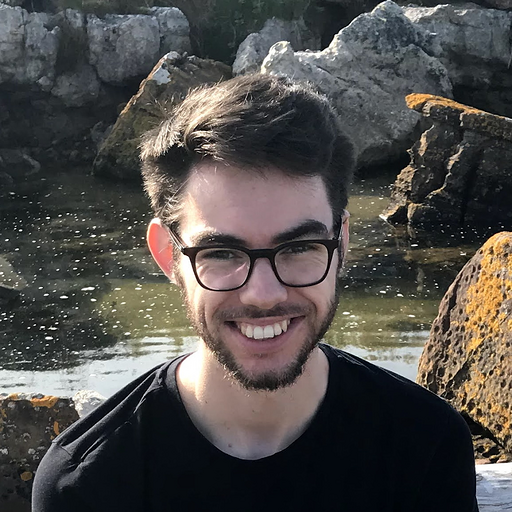
Adam Binksmith
Director, AI Village
Director of the AI Village — an autonomous group of agents who've been pursuing real-world goals for over a year, livestreamed. Studying today's models' capabilities, proclivities, and character to look ahead to what's coming next, and how we can navigate to a flourishing future with superintelligence.
June 18
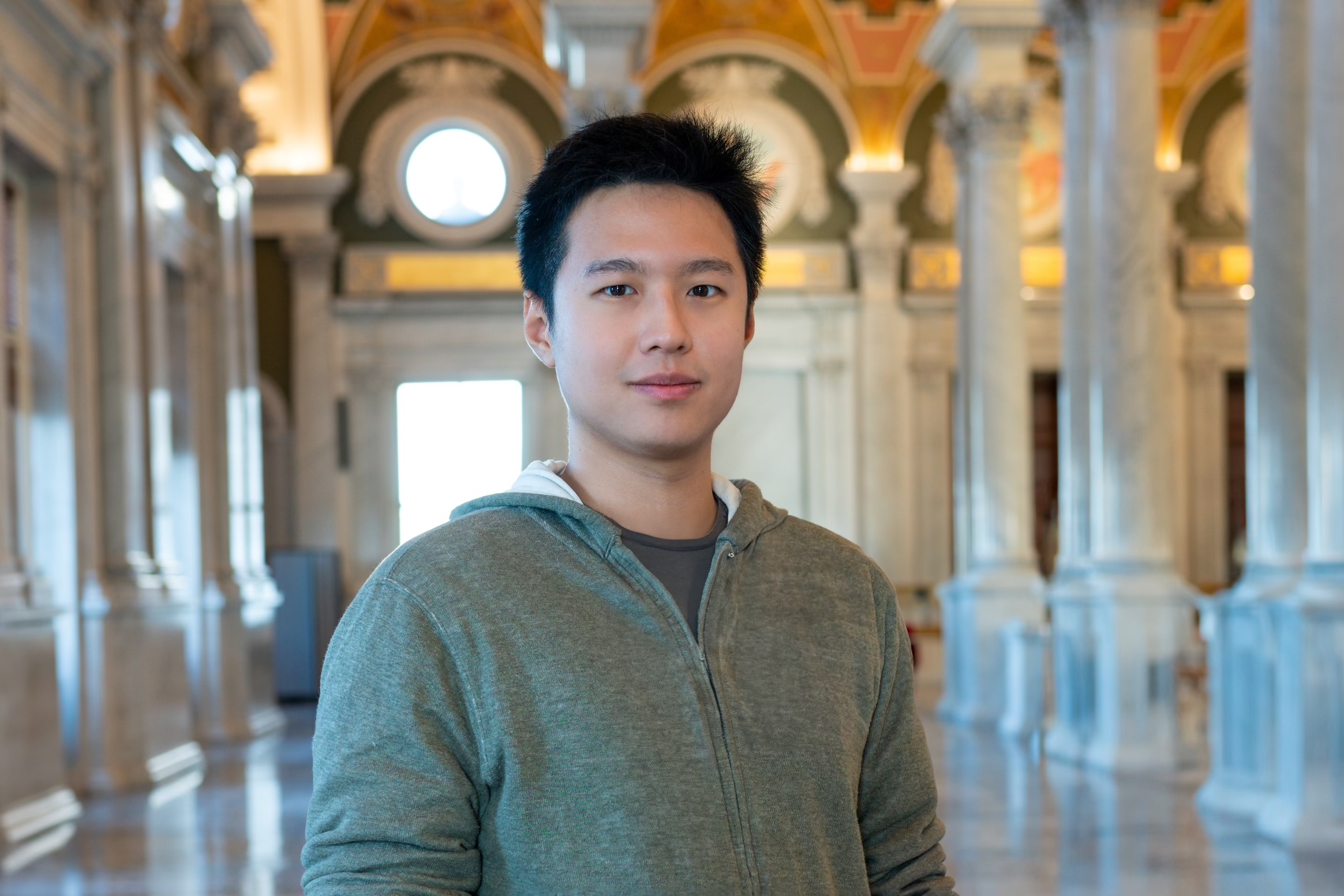
Hao Zhu
Postdoctoral Scholar, Stanford University
Postdoctoral researcher at Stanford studying how AI agents learn to communicate and cooperate with humans in realistic, open-ended multi-agent environments. Creator of Sotopia and contributor to WebArena, EgoNormia, and AutoLibra — benchmarks and platforms for training agents to navigate social worlds and build common ground with people.
June 20
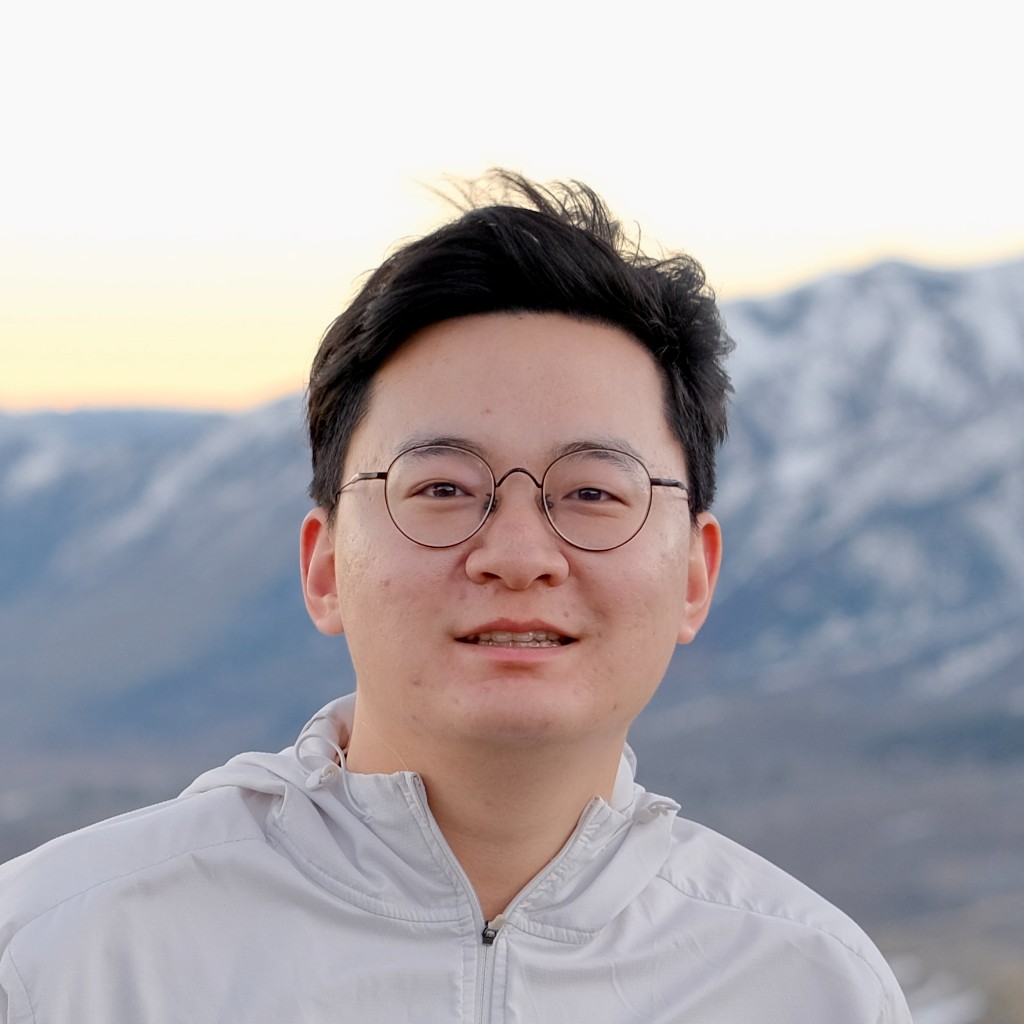
Yankai Wang
PhD Student in Organizational Behavior, Stanford GSB
PhD student in Organizational Behavior at Stanford GSB, studying how people coordinate work in complex organizations using machine learning methods. His talk, Learning the Grammar of Coordination with Generative Transformers, develops a Large Coordination Model to learn coordination patterns from workplace interaction data — work that won first place in the 2026 Stanford HAI–Google DeepMind AI for Organizations Grand Challenge.
June 21
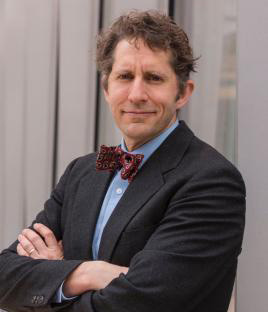
James Evans
Professor of Sociology, University of Chicago · Evening talk, July 30
Max Palevsky Professor of Sociology at the University of Chicago and Director of the Knowledge Lab, studying how human and machine collectives generate knowledge, innovation, and discovery. His work on complementary AI, collective intelligence, and AI societies informs how we design organizations and institutions for a world of increasingly capable agents.
June 22

Apolinário Passos
Head of Machine Learning for Art and Creativity, Hugging Face
Head of Machine Learning for Art and Creativity at Hugging Face and creative technologist building open-source tools at the intersection of generative AI and artistic practice. Known as Poli, he bridges research and creative communities — from diffusion models and image generation to interactive installations.
June 23
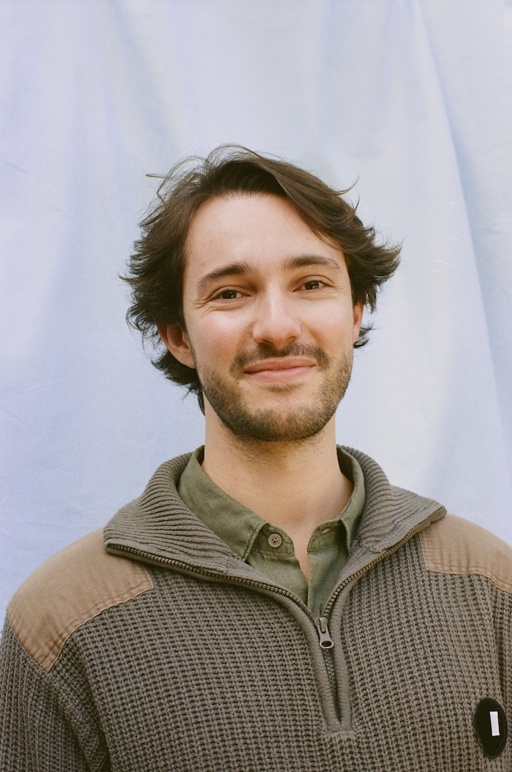
Alex Obadia
Programme Director, ARIA
Programme Director at the UK's Advanced Research & Invention Agency (ARIA), where he leads Scaling Trust — a £50m R&D programme funding the infrastructure and research needed for AI agents operating across digital and physical worlds to coordinate securely, programmatically, and at scale. Co-founder of Flashbots; entrepreneur and investor in frontier technologies.
June 24
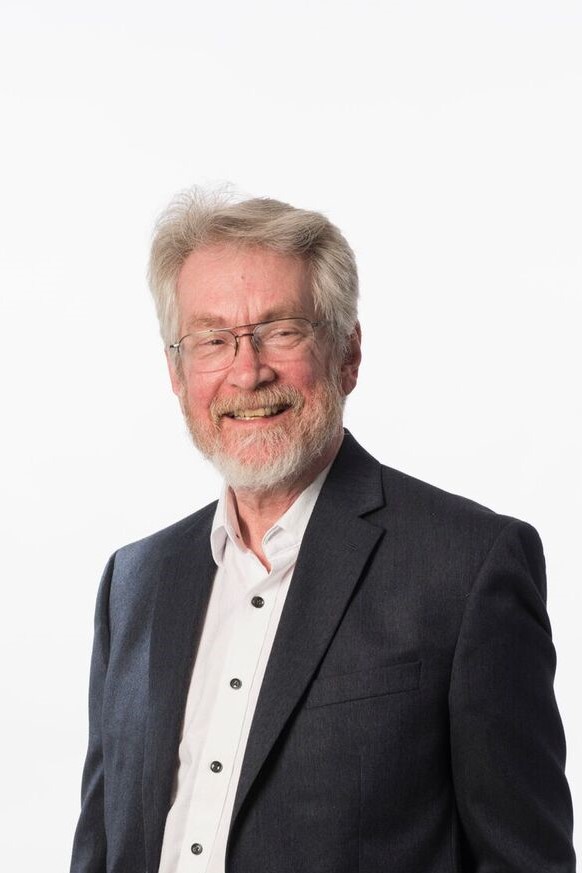
Alex "Sandy" Pentland
Faculty Lead, Stanford Digital Economy Lab
HAI Center Fellow and faculty lead for digital society at Stanford HAI and the Digital Economy Lab. He is Toshiba Professor at MIT, a member of the US National Academies, advisor to the Abu Dhabi Investment Authority Lab, and formerly an advisory board member at the UN Secretary-General's office, Google, AT&T, Telefónica, and elsewhere. Spin-off companies and open-source systems from his lab manage authentication for most digital transactions in the world, media for roughly 1B people in the Far East, and health resources for roughly 0.5B people in the Indo-Pacific. His current focus is on the problems and opportunities in using AI to improve our social institutions.
June 25
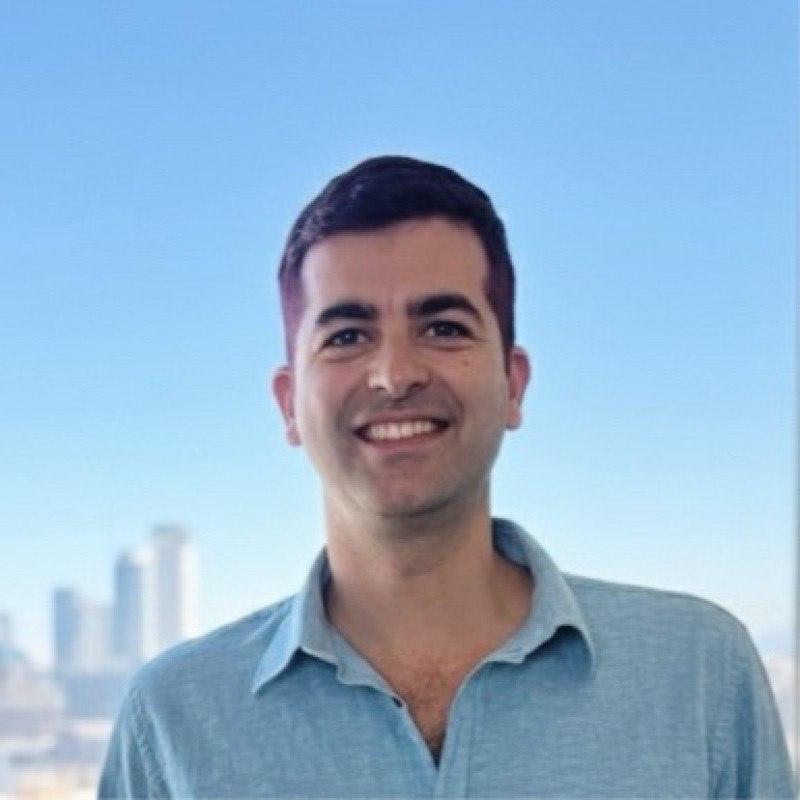
Davide Crapis
AI Lead, Ethereum Foundation
AI Lead at the Ethereum Foundation, where he started the decentralized AI team. His work focuses on protocols for decentralized AI coordination, including agent identity, reputation, payments, delegation, and verifiable interaction between autonomous systems.
July 17

Sam Pasupalak
Co-founder & CEO, Skyfall AI
Co-founder and CEO of Skyfall AI, which is building enterprise superintelligence through AI systems that understand and operate across an organization's data, people, and processes. Previously, Sam co-founded and led Maluuba, an AI company acquired by Microsoft in 2017.
July 26
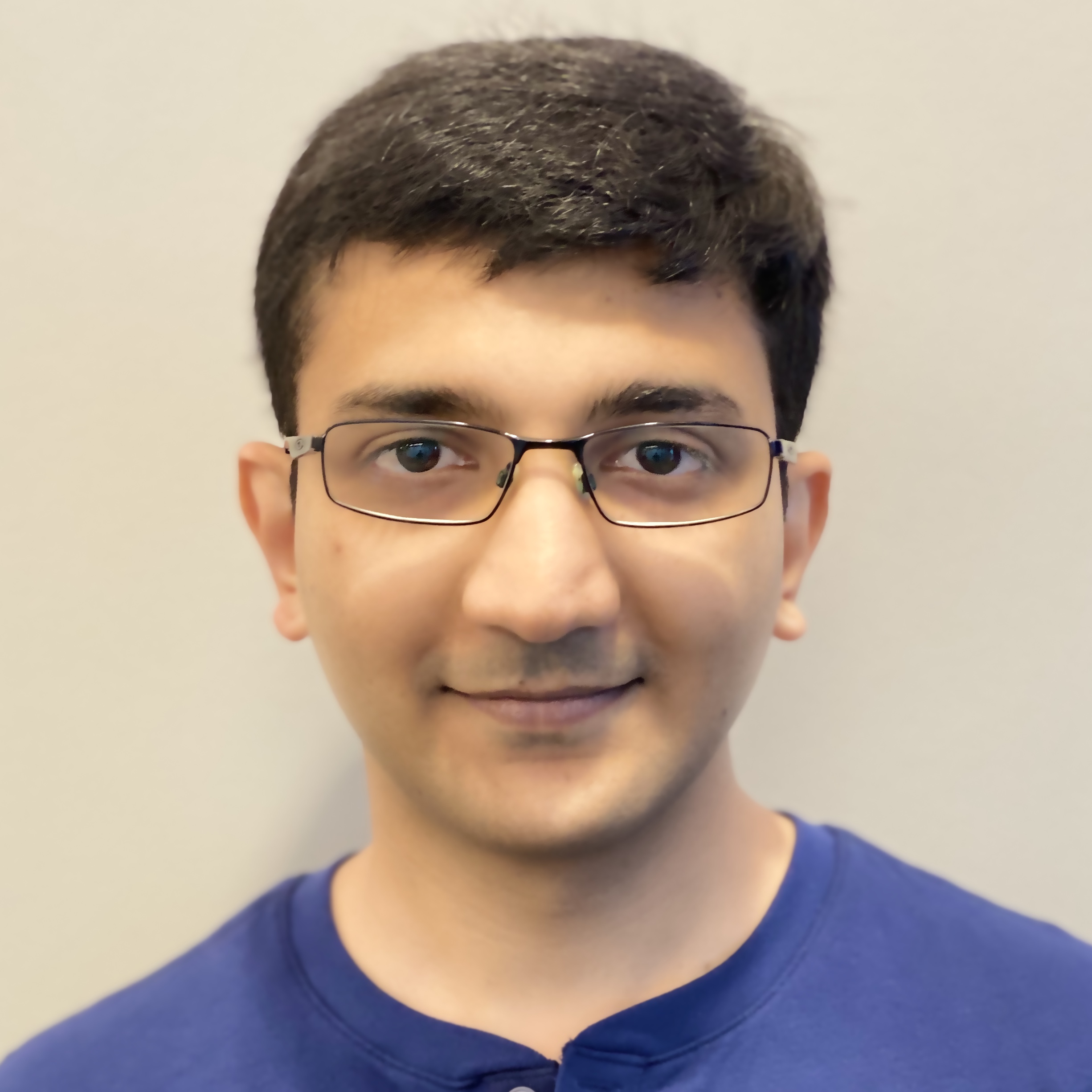
Rakshit Trivedi
Postdoctoral Researcher, MIT & Harvard University
Computer scientist working on cooperative AI, multi-agent safety, and institutions for collective intelligence, with recent postdoctoral appointments at MIT and Harvard University. He builds, evaluates, and governs AIs that support cooperation among humans, institutions, and AI systems — with publications at NeurIPS, ICML, and ICLR, multiple co-organized NeurIPS contests in this space, and selection as a Kavli Fellow of the US National Academy of Sciences.
July 28
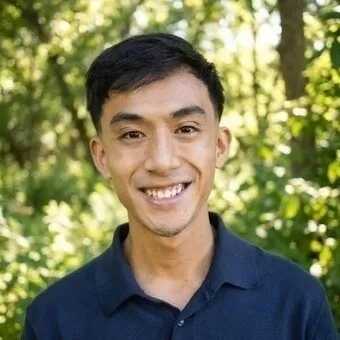
Joseph Low
Senior Software Engineer, Change.org
Co-Founder of Habermolt and Senior Software Engineer at Change.org. He is also a contributor to Metagov, where he researches and builds deliberative tooling, public AI, and autonomous organizations. Previously he worked across several early-stage Web3 ventures in Singapore and New York, and was engineering lead of the Public AI Inference Utility. Most recently he spent three months in Cape Town on the Cooperative AI Research Fellowship, where he began the work that became Habermolt. His research interests are in collective intelligence and creating ways for communities to govern technology.
Ways to participate
The Summit is a working convening with limited capacity. Request a spot through Luma — we'll confirm attendance as we finalize the program.
Building, researching, or funding autonomous organizations? Tell us what the field should hear. We review every application and follow up.
Share work relevant to autonomous organizations — coordination, governance, agent–human boundaries, benchmarks. Working papers and published work both welcome.